Roofing Business Cards: What to Put on Them (and What to Leave Off)
One line does the most work on a roofer's card: 'licensed and insured.' It's the badge a homeowner scans for after a storm. Get that and one phone number right, then know what to leave off.
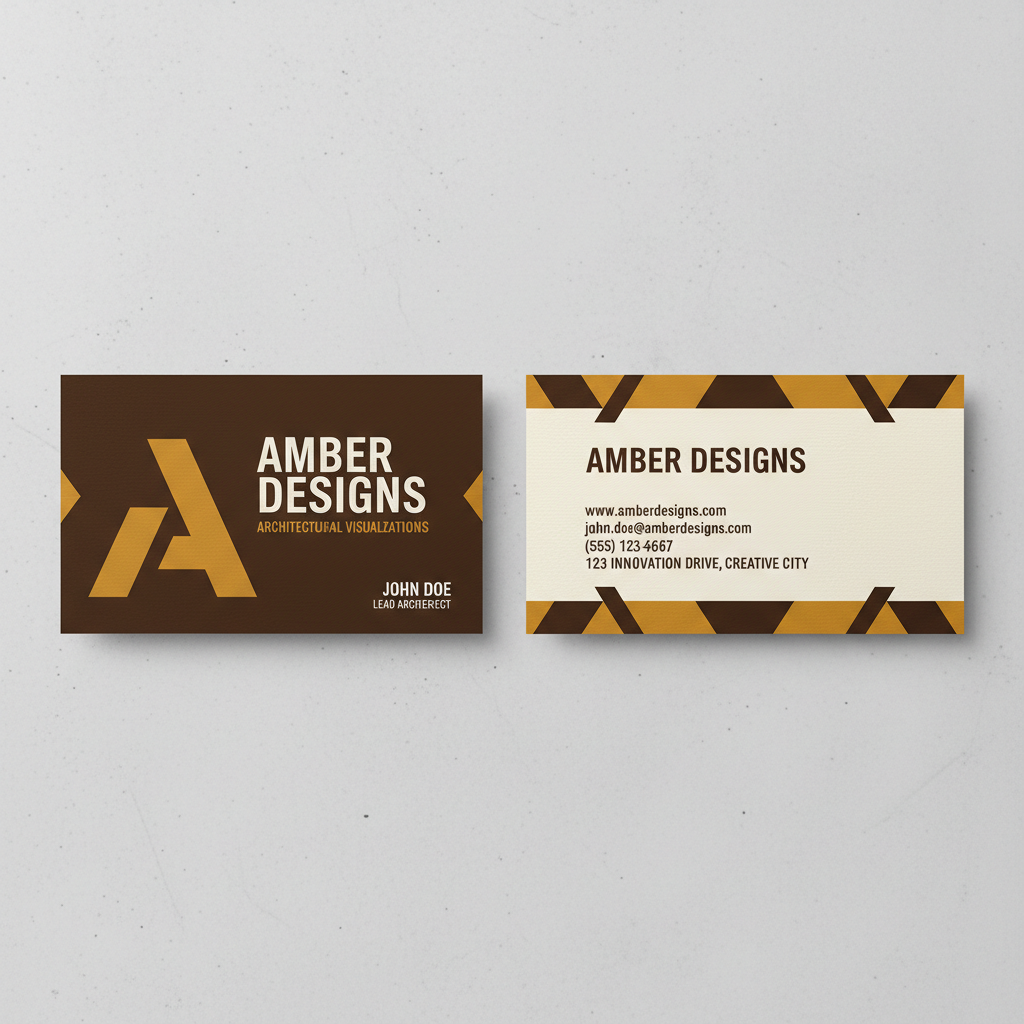
One line does more work on a roofer's business card than anything else: "licensed and insured." After a storm, that's the badge a nervous homeowner scans for, because they've been warned about crews that take a deposit and vanish. Put it where they can see it, add one phone number and a reason to keep the card, and you've built most of a card that works.
I've laid out roofing cards for 20 years. The good ones are boring and legible. The bad ones cram three numbers, six manufacturer logos, and a clip-art house onto a 3.5-by-2-inch card. Here's the short version.
Why does "licensed and insured" belong on a roofer's business card?
Because after a storm it's the first thing a homeowner checks, and printing it does the reassuring before you say a word. Roofing is the trade most tied to fly-by-night crews, so a homeowner sorting three cards on the kitchen counter is hunting for the signals that read "real local company." "Licensed and insured," a local address, and a manufacturer credential like GAF or Owens Corning all earn their space for that reason. Don't bury the line in 6-point type at the bottom; give it room, because on a roofing card it isn't fine print, it's the pitch.
What else goes on a roofing business card, and what stays off?
On: your logo, the rep's name, one phone number set large, your service line ("Residential & Commercial Roofing"), the area you cover, your website, and a working back. Off: the second and third phone numbers, the fax line, the personal aol.com email, six manufacturer badges when one does the job, and the clip-art house every other roofer used. The back of a card is the most wasted space in the trades, so put a QR code to your Google reviews or a "free storm inspection" offer on it. If your card carries more than one phone number, you've already lost, because people call the first or none.
Try us free
Want it designed right, without the guesswork?
Should a roofing business card be a magnet?
Yes, as a second piece, never your only one. Roofing is a "who did the neighbor use" business, and a magnet on the fridge is already there when a leak shows up at 9 p.m. or the next storm rolls through, so leave one after every inspection and estimate. Don't make the magnet your only card, though, because it's too thick for a rep to carry a stack. Get both: standard cards to hand out, magnets to leave behind, since roofs get shopped slowly and you want to be the number already on the fridge.
What makes a roofing card look like a real company, not a chaser?
Real stock, a design that matches your truck, and no free template. Print on 16pt or 18pt with a matte or soft-touch laminate, because 14pt feels like a flyer and a flimsy card undercuts a $15,000 pitch before the homeowner reads it. A free template is free because a few thousand other roofers already used it, house icon and all, and a homeowner reads that layout as "small and temporary," the last thought you want before they hand you the job. We design roofing business cards to match the rest of your roofing brand, print-ready for any local printer, "licensed and insured" and all. Your first design is free, so you can see it before you print a box of a thousand.
Keep reading
Roofing branding & design →