Restoration Branding 101: A Brand People Trust in a Crisis
A restoration brand has to win a panicked homeowner and a hard-nosed adjuster at the same time. Calm-and-capable wins the call and the referral. What's in the brand, what it costs, and where companies blow it.
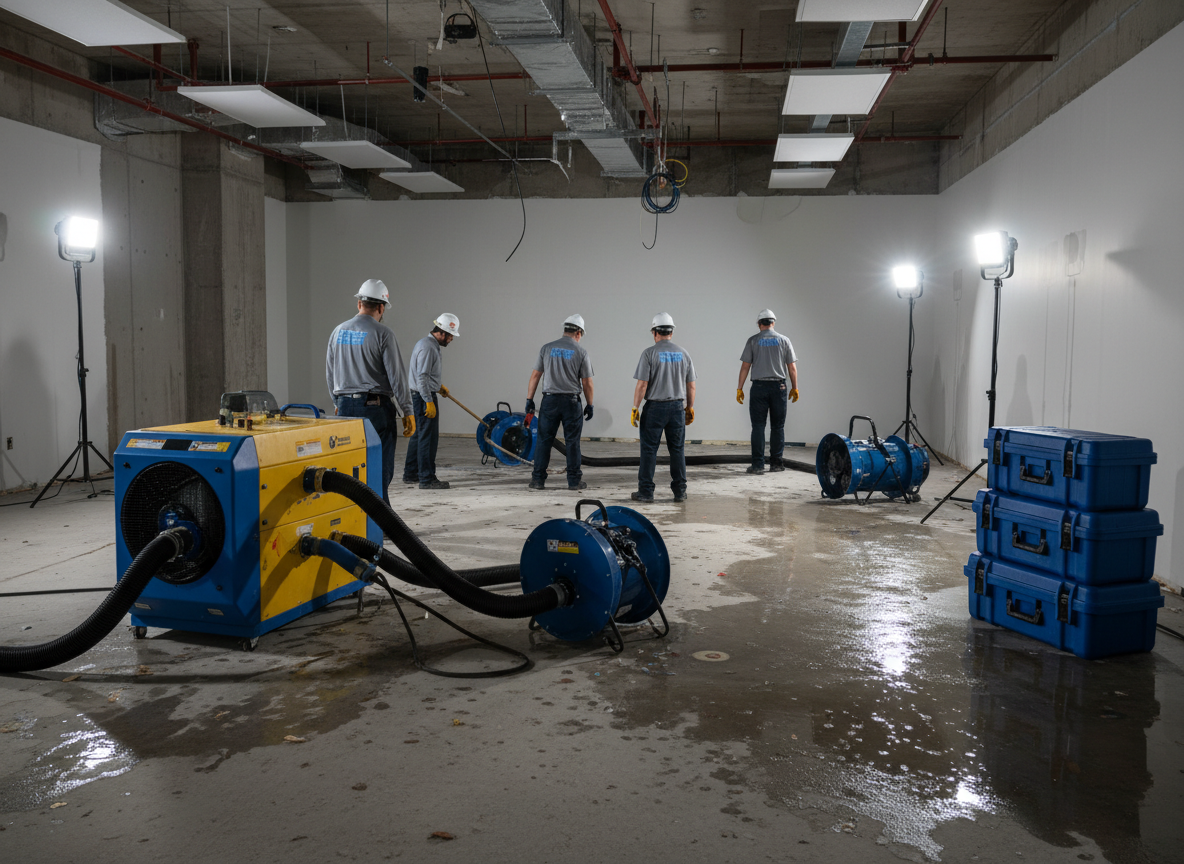
A restoration brand has to earn trust from two people at once, fast, and they want different things. The first is a homeowner standing in an inch of water at midnight, scared, who needs to believe you'll take control of the mess and the insurance. The second is the plumber, adjuster, or property manager deciding whether to put their own name on the line by recommending you. Win both in the first few seconds and you get the call and the referral. Lose either and you're the second call.
That's what makes restoration branding its own animal. Most trades sell to one audience. You sell calm to a panicked homeowner and reliability to a hard-nosed insurance pro at the same time, with the same brand. The company that reads calm-and-capable in a crisis wins, and the logo is one small piece of pulling that off. Here's what a restoration brand is, how it wins both audiences, what it costs, and where companies get it wrong.
Is a logo the same thing as restoration branding?
No. The logo is one piece. Your brand is every signal both audiences read: the wrapped truck at the loss, the 24/7 line and how it's answered, the crew's uniforms and how they treat a wrecked home, the estimate and photo documentation you send the adjuster, the leave-behind in the plumber's van, and the website a soaked homeowner lands on at 2am. The logo starts the visual system. It doesn't carry the trust by itself. A restoration company with a sharp logo and a chaotic 2am voicemail has a logo, not a brand.
Who does a restoration brand have to win over?
Two audiences with opposite instincts: the panicked homeowner and the professional referral-and-insurance side. The homeowner is emotional, scared, and deciding in minutes whether you feel safe. The adjuster, agent, and property manager are unemotional, repeat buyers who care whether you document the loss right, price it in line with the claim, and won't create a problem they have to clean up. A brand that only comforts homeowners looks lightweight to the insurance side. One that only looks corporate scares the homeowner. The restoration brands that win speak to both: warm enough to reassure, buttoned-up enough to trust with a claim.
What does a panicked homeowner need to read from your brand in seconds?
That you're calm, competent, insured, and about to take this off their hands, the insurance part included. In the first ten seconds a scared homeowner is asking one thing: is this handled now? The brand answers before you speak, through calm colors instead of alarm-red chaos, clean professional type, a confident logo, and plain trust signals like "IICRC certified," "licensed and insured," and "we work directly with your insurance." That last line drops the blood pressure fastest, because the homeowner's second fear after the damage is the claim. Look like the composed professional who's done this a hundred times and you've won the emotional half of the decision.
What does the insurance and referral side need to see?
Signals that you're reliable, that you document losses properly, and that recommending you is safe. An adjuster or property manager is a repeat buyer who lives with the fallout of a bad referral, so they read your brand for competence, not comfort: consistent professional materials, a capabilities sheet listing your certifications and scope, evidence you photograph and document a loss the way a claim needs, and the sense you'll communicate and not go dark mid-job. IICRC certification is the shorthand credential here, because it tells the insurance side you're trained to a standard they recognize. Look organized and accountable and you become the name they hand out, which in this trade is the most valuable real estate there is.
Try us free
Want it designed right, without the guesswork?
What pieces make up a restoration brand?
Seven signals both audiences meet, in the order they meet them:
- The truck, wrapped or lettered, 24/7 number and "water, fire, mold" and "insured" visible.
- The crew: uniforms, ID, and a respectful way of handling someone's wrecked home.
- The 24/7 phone line and the live human who answers it.
- The website and emergency landing page a homeowner finds mid-crisis.
- The estimate and documentation the adjuster sees, on real letterhead with clean photos.
- The leave-behind kit in the hands of plumbers, agents, and property managers.
- The logo, colors, and certifications tying all of it together.
Every one of those reads as one established, certified company or as a scramble of mismatched parts. There's no neutral, and in an emergency the homeowner reads the difference in a glance.
How does a restoration brand win you more referrals?
By making the partner confident that sending you won't come back to bite them. A plumber or adjuster refers the restoration company that makes them look good, and a professional, consistent brand is the fastest proof you're a safe bet. When your truck, your leave-behind, and your documentation all look like one competent operation, the partner reads you as low-risk and refers without a second thought. When your materials look thrown together, they hesitate, because their reputation rides on your work. The brand is the partner's evidence that the referral is safe before they've watched you do a single job.
What does it cost to build a restoration brand?
Bought piece by piece: a logo runs $500 to $3,000, a truck wrap $2,500 to $6,000 or clean lettering $300 to $800, plus uniforms, rack cards, magnets, a capabilities sheet, and a website as you go. Sourced from five vendors, the pieces rarely match, and you pay again to reconcile them. A flat-rate design plan builds the whole system to one standard for a predictable monthly cost, which for a growing restoration company is cheaper and steadier than piecing it together from separate shops. The sharper question: what's it costing you now, in lost jobs and referrals, to look scattered at the exact moment trust decides the call?
Where do restoration companies get branding wrong?
Three ways, over and over. They go loud and alarming, red starbursts and flames that raise a scared homeowner's panic instead of settling it. They build it piecemeal, a truck from one shop, a card from another, a site from a third, so nothing matches and the "one company" impression falls apart. And they skip the insurance-facing half entirely, with no capabilities sheet and no documentation standard, so the adjuster and property manager get no reason to trust them. The fix for all three is the same: build one calm, professional, certified-looking system for both audiences, at once, to one plan. Get the logo, colors, truck, site, and leave-behinds designed as one restoration brand, starting from a real logo and brand identity, and you show up calm-and-capable to the homeowner and reliable to the pro who sent you. Your first design is free, so you can see the system on your own truck and leave-behind before you spend a dollar on print.
Keep reading
Restoration branding & design →