Landscaping Business Cards: What to Put on Them (and What to Leave Off)
The line that sets a landscaping card apart is the area you cover, because a homeowner hiring a weekly crew wants a company that already works their street. Get that and one phone number right, then know what to leave off.
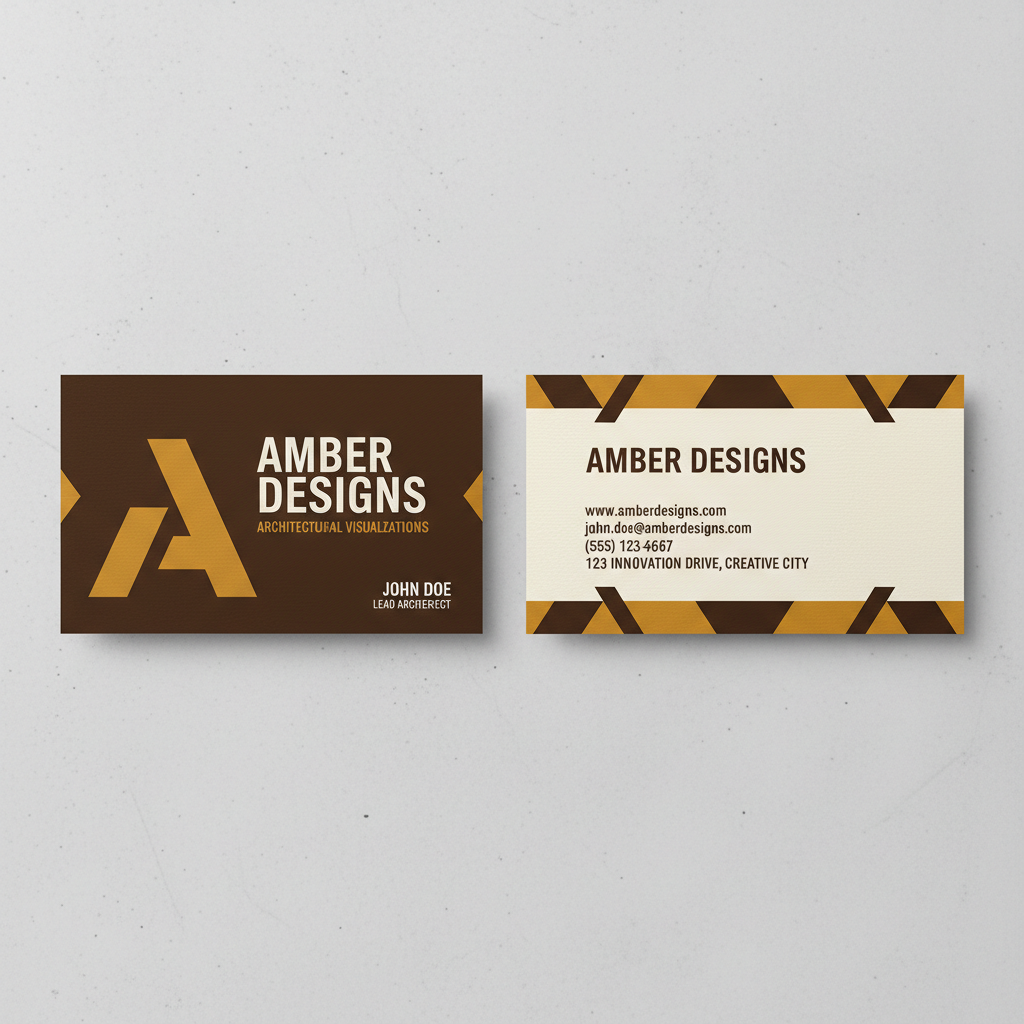
The line that sets a landscaping card apart is the area you cover. A homeowner shopping for a weekly lawn crew wants a company that already works their street, because a route-based outfit that's close is cheaper to reach, faster to respond, and more likely to still be mowing come August. Get the service area and one phone number set big, and you're most of the way to a card that works.
The rest is knowing what to leave off, because the fastest way to ruin a landscaping card is to cram it. Here's the short version.
What should go on a landscaping business card?
The front carries your logo, your name, one phone number set large, your service line ("Lawn Care & Landscaping"), the neighborhoods or towns you cover, and your website. That's the list. Print it on 16pt stock with a matte or soft-touch finish, because a flimsy 14pt card undercuts the "real company" message before anyone reads a word.
Use the back, don't waste it. A blank white back is the most wasted space in the trades and reads as amateur. Put a QR code to your Google reviews, a "free estimate" offer, or a solid block of your brand color so the card stands out on the fridge. One phone number, not three, because people call the first one or none.
Why does the area you cover belong on the card?
Because lawn care is a route business, and a homeowner trusts the crew that already works nearby over one driving in from across the county. Naming your towns ("Serving Gilbert, Chandler, and Queen Creek") tells them you're local, established, and likely to have a truck on their street already, which is the same thing that fills your route.
It also does quiet sales work. A homeowner who sees a town they recognize reads you as the crew the neighbors probably use, and that reputation does the talking for you. Leave the service area off and you look like anyone, from anywhere, gone by fall.
Try us free
Want it designed right, without the guesswork?
Should a landscaping business card be a magnet?
Carry both, and leave the magnet behind. Lawn care is seasonal and recurring, so you want to be the magnet already on the fridge in March when a homeowner picks who's mowing this year, or the week the current guy no-shows. A paper card is for handing over, a magnet is for surviving.
Don't make the magnet your only card, because it's too thick to carry a stack and too thick to tuck in a door hanger. Get standard 16pt cards to hand out and magnets to leave with the first invoice. A magnet on the fridge when the grass greens up beats a hundred cards in a drawer.
Where do landscaping business cards go wrong?
They list every service in 6-point type, they look nothing like the trailer or the yard sign, and they lean on a free template you can spot across a room. The little house-and-tree icon, the swoosh of grass, the two-tone diagonal: a homeowner can't name the template, but it reads as "a guy with a mower," not the company you'd trust with a $6,000 patio.
The free template saves you a couple hundred dollars and costs you the one thing a card is for, looking like a real company. We design landscaping business cards to match the rest of your landscaping brand, same logo and colors, print-ready for any local printer. Your first design is free, so you can see it before you print a box of a thousand, and you can leave the palm tree out of a market with no palms.
Keep reading
Landscaping branding & design →