Flooring Business Cards: What Belongs on Them, and What to Cut
A flooring card is the leave-behind after the measure and the takeaway from your showroom, both moments a buyer is comparing three companies. Keep it clean, name the products, add financing, and match it to your samples. Here's what belongs on it.
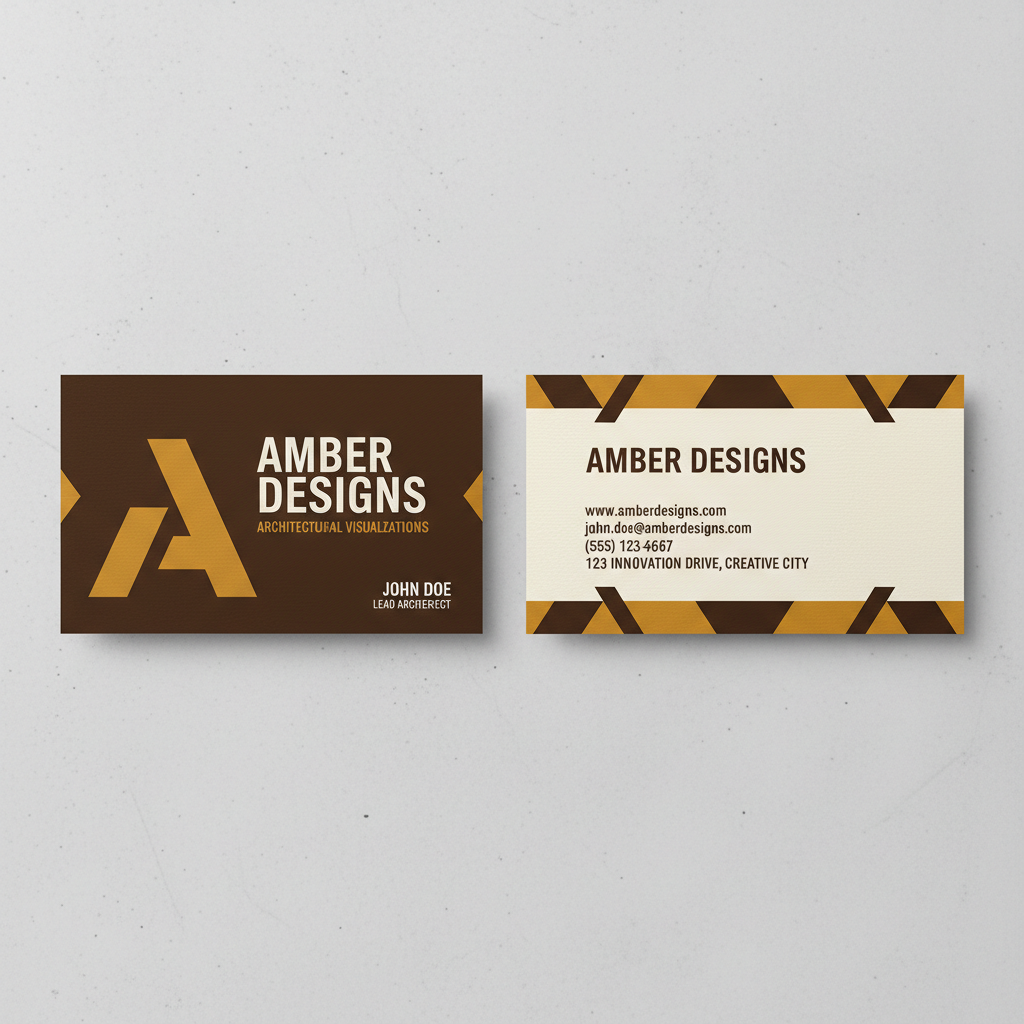
A flooring business card does two jobs: it's the leave-behind after the in-home measure and the takeaway a shopper pockets on the way out of your showroom. Both moments are when a buyer is comparing you to two other companies, so the card is a work sample of your taste, and a card crammed with a clip-art plank and eight products in tiny type says you cut corners. Keep it clean and it does the pitch while it sits on their counter for a week.
I've laid out flooring cards for 20 years. The good ones are calm and match the sample boards and the truck; the bad ones look like a coupon. Here's what belongs on the card, what to cut, and what it should cost.
What should go on a flooring business card?
Your logo, your name and title, one phone number set big, the products you install, your showroom address and hours, your website, and a financing line if you carry it. Flooring buyers shop by product and by showroom, so "Hardwood, LVP, Tile & Laminate" plus a real address tells them exactly what you do and where to come feel the samples.
The financing line ("0% financing available") earns its spot because it's the thing that moves a hesitant buyer, and a card is where they'll remember it. Set the phone number as the biggest element after the logo, because a card that makes someone hunt for the number gets set down.
What should you leave off a flooring business card?
The second cell number, the fax line, the free email address, eight products in 6-point type, and the clip-art wood plank. One phone number, because people call the first one or none, and a wall of tiny services reads as clutter, not range.
Buy a domain and use name@yourcompany.com instead of a gmail or aol address, because a free email on the card undercuts the established-showroom look you're paying for everywhere else. The card is the smallest thing you'll hand a buyer, so every line on it either builds the premium impression or dilutes it.
Try us free
Want it designed right, without the guesswork?
Should a flooring business card show a finished-floor photo?
On the back, yes, one clean shot of a finished room, because flooring is a visual sell and a card is a chance to put the product in the buyer's hand. The front stays clean (logo, name, number, products, address), and the back carries one high-resolution finished-room photo or a QR code to your before-and-after gallery.
Use one strong photo, not a collage of six tiny ones, and make sure it's a room you installed, shot in good light, not a manufacturer's catalog image. A single great floor on the back does more than a paragraph of copy, because the finished room is the pitch.
What card stock makes a flooring company look premium?
16pt stock at a minimum, with a soft-touch or matte laminate, because a company selling premium floors can't hand over a flimsy 14pt card. Soft-touch feels expensive and costs almost nothing extra, and spot UV on the logo (a glossy raised mark on a matte card) is the cheapest way to signal you spent real money on finish.
Skip the glossy-all-over card; it smudges and looks like a takeout menu. About 500 well-made cards run around $89, so if a printer quotes you $300, ask what you're paying for. The card is the smallest thing you'll hand a buyer, and it's the piece they judge your finish work by first.
Should a flooring card match your samples and estimate?
Yes, the card, the sample boards, the written estimate, and the financing sheet should all use the same logo, colors, and fonts, because a buyer sees all four in one sitting and matching collateral reads as an organized company. A card that looks nothing like the estimate makes the whole presentation feel pieced together.
This is where matched print earns its keep: hand over a clean card, a branded estimate, and sample boards that all look related, and you read as the established showroom, not the outfit working out of a truck. The sample board especially is a brand piece most flooring companies never think to design.
Is a magnet worth it, and what do flooring business cards cost?
A magnet is worth printing as a second piece, never your only one, because new floors are a "we'll get to it" purchase and the magnet is what's still on the fridge when the homeowner finally decides. Leave a card and a magnet after the measure, so you're the name already there when they stop staring at that worn carpet and call.
About 500 standard cards run around $89, and a magnet version costs a little more per piece. Print both, matched to your truck and showroom: we design flooring business cards as part of your full flooring brand, same logo, same colors, print-ready for any local printer. Your first design is free. Put your name, one number, and the products you install on a clean card, and leave the clip-art plank out of it.
Keep reading
Flooring branding & design →