Fencing Business Cards: What to Put on Them (and What to Leave Off)
A card buried in picket clip art and eight services in tiny type gets tossed. A fence buyer wants one number, the materials you install, and a card that looks like the company. What goes on it, and what to leave off.
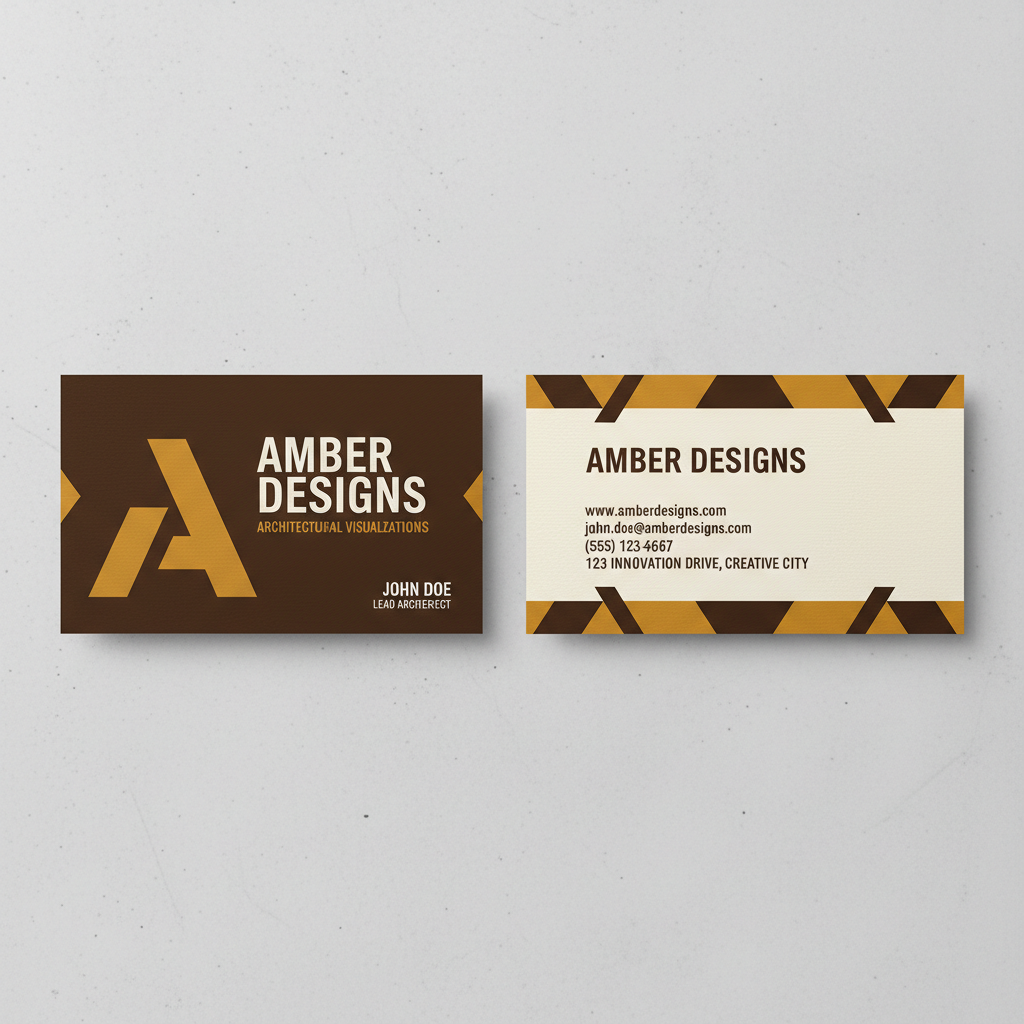
A fencing business card buried in picket clip art, a chain-link background, and eight services in 6-point type gets tossed before the homeowner reaches their kitchen drawer. The card is often the one thing you leave behind after an in-home estimate, so it has a job: keep your name and number in the house until the homeowner decides. Keep it clean and it does that job. Bury it in clip art and it looks like the low bid.
I have laid out fence company cards for 20 years. The good ones are calm and legible and look like the truck; the bad ones look like a hardware-store flyer. Here is what belongs on the card and what to leave off.
What should a fencing business card say?
On the front: your logo, your name, one phone number set big, "Fencing" or "Fence Installation & Repair," the materials you install, the area you cover, your website, and "licensed & insured." A fence buyer is handing you a permanent job on their property line, so "licensed & insured" is the small trust badge they want before they call.
One phone number, because people call the first one or none. Leave off the second cell number, the fax line, the fencepro@aol.com address (buy a domain and use name@yourcompany.com), and the eight services crammed in tiny type. Clean and legible is the whole pitch.
Why does the materials line belong on a fence company's card?
Because the sale turns on material, and a homeowner who wants vinyl will not call the card that only reads "fencing." Wood, vinyl, aluminum, chain link, and ornamental steel are different buyers with different budgets, and one line listing what you install tells the right one they are in the right place.
Keep it to the materials you want to sell. If your money is in vinyl privacy fence and aluminum pool fence, say that, because a card that lists every material equally pulls the price-shopper looking for the cheapest chain link. The materials line is targeting, not decoration.
Try us free
Want it designed right, without the guesswork?
What goes on the back of a fencing business card?
One QR code pointed at your Google reviews or a photo gallery, a free-estimate line, or your best material photo. A blank white back is the most wasted space in the trades, and a fence buyer reads reviews and looks at finished-fence photos before they call, so point the code where that proof lives.
Send the QR to your reviews page, not your homepage, because the review page does the convincing. A card back with a real photo of a finished cedar or vinyl fence also works, since a fence is a visual purchase and the homeowner wants to see your line quality before they dial.
What card stock and finish should a fence company use?
16pt stock at a minimum, with a matte or soft-touch laminate, because a flimsy 14pt card feels like the low bid before you have said a number. Soft-touch feels expensive and costs almost nothing extra, and spot UV on the logo (a glossy raised mark on a matte card) is the cheapest way to look like you spent real money.
Skip the glossy-all-over card; it smudges and looks like 2006. About 500 well-made cards run around $89, so if a shop quotes you $300, ask what you are paying for.
Should a fence company's card be a magnet?
Yes, as a second piece, never your only one, because a fence replacement is a "we will get to it" purchase and the magnet is what is still on the fridge when the homeowner finally decides. A leaning fence gets ignored for a year, so be the name already stuck to their refrigerator when they stop ignoring it.
Do not make the magnet your only card, because it is too thick to hand out in a stack. Print both, leave the magnet after the estimate or with the final invoice, and hand the paper card everywhere else.
How should a fencing card match the rest of your brand?
Same logo, same colors, same type as the truck, the trailer, and the yard sign, so the homeowner who saw your truck this week recognizes the card on their counter. Fencing sells by neighborhood and by comparison, so the card that matches the truck they already saw beats the two cards from companies they cannot place.
Print both cards matched to your signage: we design fencing business cards as part of your full fencing brand, same logo, same colors, print-ready for any local printer. Your first design is free. Put your name, one number, the materials you sell, and "licensed & insured" on a clean card, and leave the picket clip art in the yard.
Keep reading
Fencing branding & design →